The uncertainty surrounding the situation in the Middle East is breeding a sense of unease in the markets and investors. In recent days, we have seen the price of oil fluctuate considerably. However, the broader market reaction has been relatively contained so far.
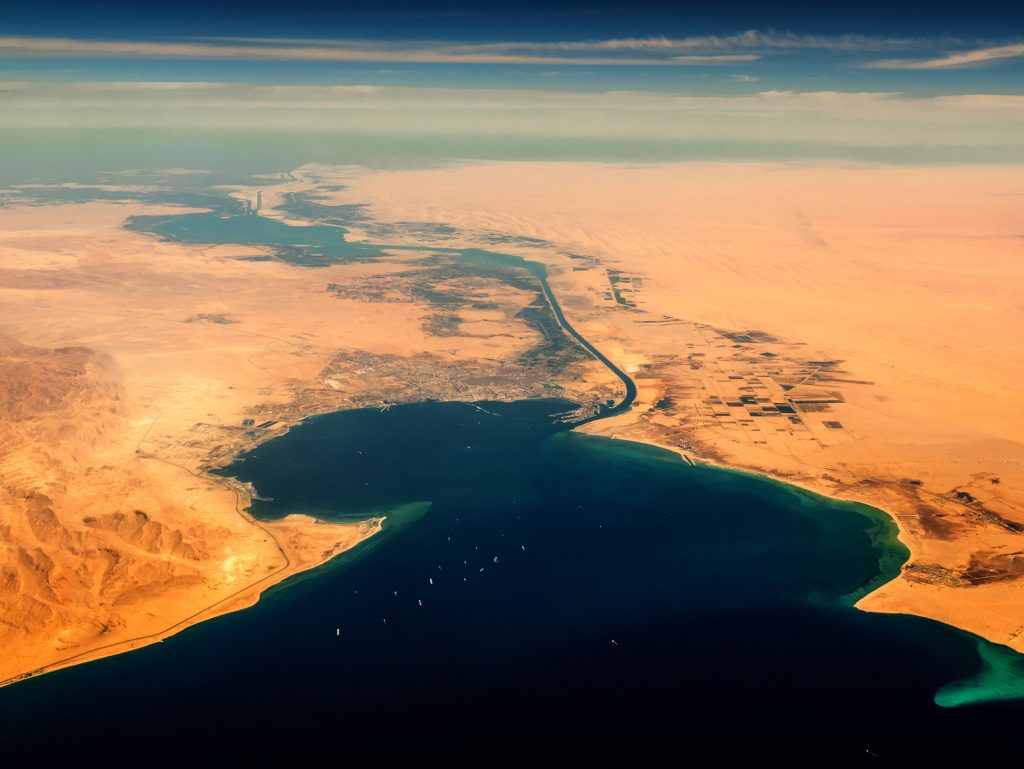
As Hetal Mehta, SJP’s Chief Economist says, “the current flare up in tensions has caught the attention of markets more than other recent episodes, thanks to Iran’s position as the ninth largest oil producer globally (and fourth largest in OPEC). A further area for concern is whether the Strait of Hormuz is shut down; about 20% of global oil and a substantial share of global trade passes through this shipping route.”
It’s only natural to worry about the impact sustained conflict or rising political risks may have on portfolio returns. Markets can and do react to such events. We’ve seen this before. But this is typically a short-term reaction.
Joe Wiggins, SJP’s Head of Research, notes: “The chances of people making really bad decisions in these types of environments is high.” This is why we have an SJP checklist for geopolitical risks to serve as a reminder and to avoid an emotional response amid times of high uncertainty. We ask ourselves the following five key questions:
1. Do we have confidence in predicting the outcome of the current situation?
2. Do we believe we can predict the financial market implications of the outcome?
3. Are any of the financial market impacts likely to be material over our long-term investing horizon?
4. Are our portfolios appropriately diversified for a range of different outcomes?
5. Has there been any change to our investment objectives because of this uncertainty?
So how do we answer these? It is incredibly difficult to know how such geopolitical tensions will resolve, and over what period. We acknowledge the need to remain humble about our investment edge. It is not in predicting the actions of multiple parties in a complex geopolitical situation. Indeed, no one can be confident in such predictions. Similarly, predicting the financial market implications is highly challenging. Any number of macroeconomic or idiosyncratic factors could dominate market movements across different asset classes.
It is also worth bearing in mind our investment horizon is long term in nature. The market impacts over this time frame are unlikely to be material. History has shown such events usually have a short-term influence.
Given the elevated levels of political uncertainty regarding trade, tariff and fiscal policy, for some time we have been emphasising the importance of diversification to bolster portfolio resilience. This is an area of on-going focus for us. Chiming with our long-term investment horizon, our investment objectives have not changed.
Joe adds: “The temptation to try and predict outcomes or to overstate the importance of what’s happening from a financial market is high at times like this. Instead, this is a time to have cool heads.”
SJP’s CIO Justin Onuekwusi adds: “We are paying attention and are reassured by our existing stance on resilience across our portfolios. There are macro clouds on the horizon. The price of oil, the impact the Middle East turmoil may have on inflation, stagflation and global trade are areas of concern we are watching. But for now, it’s important not to react and to focus on the long-term. We continue to emphasise portfolio resilience.”
For more information, get in touch with Liberty today.
The value of an investment with St. James’s Place will be directly linked to the performance of the funds you select and the value can therefore go down as well as up. You may get back less than you invested.
SJP approved 23/06/2025